Oulu and Trenčín: what a European Capital of Culture means in 2026
In 2026, Oulu in Finland and Trenčín in Slovakia carry the European Capital of Culture title. It is a year-long cultural programme, but the idea reaches further: the cities use art and public participation to make European connections visible in local life.
Two cities, two approaches
Oulu calls its programme “Cultural Climate Change”. The European Commission says it was developed with 39 other municipalities in North Ostrobothnia and involves creators from the region and across Europe. Its examples include Climate Clock, an art-and-science project about environmental time, and events celebrating Sámi traditions. The programme asks how culture can respond to sustainability, diversity and resilience.
Trenčín has chosen “Curiosity” as its guiding theme. Its programme aims to connect people, reinterpret public spaces and strengthen community ties. The Commission highlights contemporary art at Trenčín Castle, a literary festival and emerging music. These are examples of each city’s stated programme, not a claim that every event has already taken place or that its impact has been measured.
How the title is awarded
The title is awarded through a competition years in advance. Host countries invite applications, an independent panel reviews proposals in two stages and recommends a city; the national authority formally designates it. The Commission monitors compliance with EU rules. The long lead time lets cities plan a European programme and consider what should last beyond the title year.
What to watch after the celebrations
The EU’s goals include celebrating cultural diversity, shared European features and culture’s contribution to city development. Success cannot be judged by visitor numbers alone. It also depends on whether residents can participate, cultural organisations gain lasting capacity and projects endure. The Commission’s proposal of September 2026 for a framework after 2033 puts greater emphasis on inclusion and long-term legacy. It is a proposal for future rules, not a change to the 2026 title.
For readers, the most useful next step is to compare each city’s official programme with the European Commission’s description and, later, with published evaluations. A cultural title is an opportunity; the evidence of its lasting effect comes afterwards.
Primary sources
- European Commission: Oulu and Trenčín in 2026
- European Commission: aims and selection process
- European Commission: proposal for 2034–2047
- Oulu 2026: official programme
- Trenčín 2026: official programme
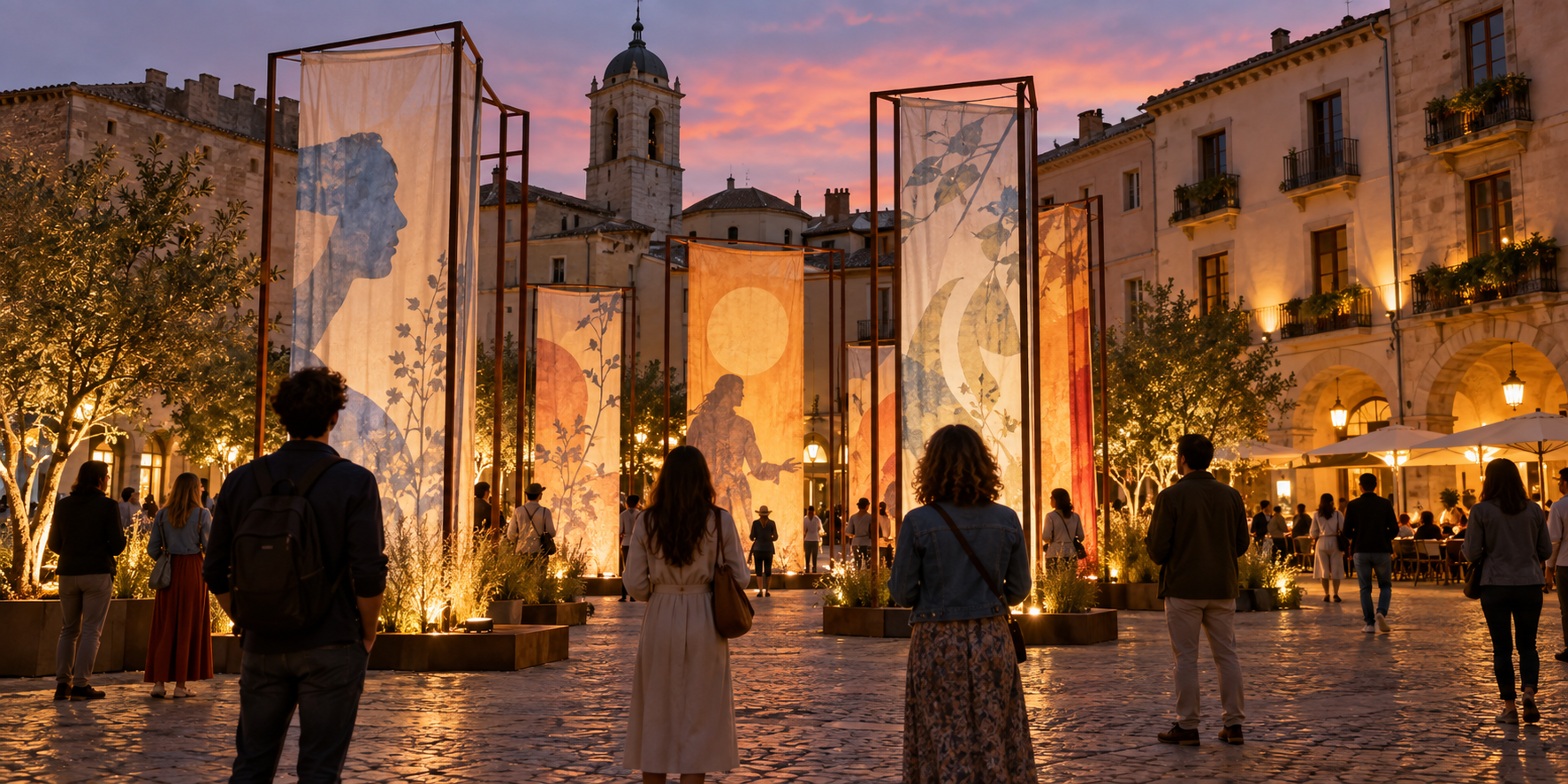
TESJ explainer. Sources checked 27 September 2026. The illustration is AI-generated and does not document a real event. Corrections will be dated on this page.